Best overall for daily insights with no required core-tracking subscription: Hume Band 2.0. Best ring for sleep-focused tracking: Oura Ring. Best smartwatch for iPhone users: Apple Watch. This 2026 guide helps you choose the best wearable for perimenopause by the question you want answered, not by the longest feature list.
- Hume Band 2.0 is the best wearable for perimenopause when included core tracking is your priority.
- Oura Ring suits sleep-focused readers who prefer a ring; Apple Watch suits iPhone users wanting smartwatch functions.
- WHOOP fits training and recovery tracking; Fitbit fits everyday activity tracking.
- Wearables help you observe sleep and habit trends; they do not diagnose perimenopause or explain every symptom.
Tracking sleep and habits during perimenopause
Perimenopause can bring changes in sleep, menstrual patterns, and how you feel day to day. A wearable gives you another record to compare with your own observations, but it cannot tell you why a particular night felt difficult.
The useful question is specific: did you sleep differently after a late evening, or does your usual exercise routine feel harder after disrupted nights? Choose a tracker that helps you answer your daily question without making every score a new source of worry.
What makes the best wearable for perimenopause?
For a 2026 purchase, prioritize these criteria before comparing brands:
- Useful daily insights: Sleep, activity, and recovery information should help you decide what to observe or adjust.
- Overnight comfort: A ring, band, or watch only helps with overnight trends if you are willing to wear it.
- Clear ongoing requirements: Separate included tracking from optional paid analysis before choosing.
- Personal trends: Compare your recent patterns with your own history rather than treating a universal score as a verdict.
- Practical fit: Consider your phone, preferred device shape, and whether you want smartwatch functions.
- Medical boundaries: Consumer tracking should support conversations about symptoms, not replace medical assessment.
A temperature trend is not a hormone measurement. A recovery score is not a diagnosis. Those distinctions matter more than an extra dashboard tile.
Best perimenopause wearables at a glance
These recommendations separate everyday use cases rather than declaring one device the winner for every reader. None is presented as a diagnostic tool for perimenopause.
| Wearable | Best for | Tracking approach |
|---|---|---|
| Hume Band 2.0 | Included core tracking | Sleep, activity, strain, and recovery insights without a required core subscription |
| Oura Ring | Ring-based overnight tracking | Sleep and overnight temperature trends |
| Apple Watch | iPhone-connected daily use | Health tracking alongside smartwatch functions |
| WHOOP | Training and recovery routines | Sleep, strain, and recovery tracking |
| Fitbit | Everyday activity habits | Activity and sleep tracking across different models |
1. Hume Band 2.0: best for included core tracking
Hume Band 2.0 brings sleep, activity, strain, and recovery insights into the companion app. Core app tracking does not require a subscription; premium coaching and deeper personalized analysis are optional paid upgrades.
Hume Band 2.0 suits adults who want to follow sleep and habit trends during perimenopause without a required subscription for core app tracking. The useful starting point is your own baseline: notice your sleep pattern, compare it with how you feel, and use that context when planning your day.
For example, a difficult night gives you a reason to review the day ahead, not an instruction to obey a score. Your symptoms, energy, and existing care advice still matter.
Hume Band 2.0 highlights
- Core tracking requires no subscription.
- Sleep, activity, strain, and recovery insights support everyday observation.
- The wearable works on its own; a body-composition device is optional.
Tracking does not establish whether a change comes from perimenopause or another cause. Use the trends alongside your own symptom notes.
Best for: Readers who want useful daily tracking without a required subscription for core app features.
2. Oura Ring: best for ring-based overnight tracking
Oura Ring tracks sleep and overnight temperature trends in a ring format. It suits readers who want overnight information without wearing a watch or band to bed.
Temperature trends can add context to your record, but they do not identify the cause of a change. Illness, cycle-related changes, and other factors can affect temperature; a wearable cannot separate those explanations on its own.
Oura Ring fits better than a wrist device when the ring shape is what you will actually wear consistently. Check the current model's features and membership requirements before choosing it in 2026.
Oura Ring highlights
- Provides sleep-focused information in a ring format.
- Includes overnight temperature trends alongside sleep tracking.
- Leaves your wrist free if you dislike sleeping in a watch.
Check the ring's sizing and comfort before choosing it. Temperature trends do not confirm perimenopause or measure hormone levels.
Best for: Readers whose main priority is overnight tracking and who prefer a ring.
3. Apple Watch: best for iPhone-connected daily use
Apple Watch combines activity and sleep tracking with smartwatch functions. It makes sense when you want health information on the same device you use for everyday phone-connected tasks.
The buying decision is partly about your phone, not just perimenopause. Apple Watch is an iPhone choice, and health features vary by model and region; do not assume every watch offers the same measurements.
If you already own an Apple Watch that meets your needs, start with its existing sleep and activity information. A new device is not automatically a better record of how you feel.
Apple Watch highlights
- Combines health tracking with everyday smartwatch functions.
- Supports sleep and activity tracking in one wrist device.
- Fits readers who already organize daily life around an iPhone.
Apple Watch requires a compatible iPhone. Check the exact model's health features rather than assuming every watch provides the same measurements.
Best for: iPhone users who want one device for tracking and smartwatch tasks.
4. WHOOP: best for training and recovery routines
WHOOP organizes tracking around strain, recovery, and sleep. That approach fits readers who want to compare how training and rest sit alongside their daily energy.
The distinction is focus. WHOOP is a better fit when your main question concerns exercise and recovery, rather than notifications or body-composition tracking.
A recovery score still needs context. Feeling unwell or experiencing persistent symptoms matters more than receiving a favorable app score, and an unfavorable score does not identify a medical cause.
WHOOP highlights
- Centers attention on sleep, strain, and recovery.
- Gives exercise-focused readers a consistent framework for reviewing habits.
- Suits people who prefer training context over smartwatch tasks.
Read recovery scores alongside your energy and symptoms. Training feedback does not explain the cause of perimenopause symptoms.
Best for: Readers who already structure their week around training and recovery.
5. Fitbit: best for everyday activity habits
Fitbit offers activity and sleep tracking across different devices. It belongs on your shortlist when your main goal is observing everyday movement and sleep rather than building a training-centered routine.
Choose the exact device carefully. A brand name alone does not tell you which sensors, displays, or app features you will get.
Fitbit highlights
- Covers everyday activity and sleep tracking.
- Offers different device formats to compare.
- Fits a movement-focused routine without requiring a training-first approach.
Check the exact device and current app access requirements for the insights you want. Features are not identical across the range.
Best for: Readers focused on everyday movement and sleep habits.
How these wearables are ranked
This 2026 shortlist ranks fit for a particular job: included core tracking, overnight ring tracking, iPhone integration, training context, or everyday activity. It is not a clinical accuracy ranking or a claim that any device detects perimenopause.
The deciding criteria are practical usefulness, wearability, clarity about ongoing requirements, and appropriate limits on interpretation. The best tracker is the one that answers your question without asking you to treat an estimate as a diagnosis.
Turn wearable information into a useful routine
Start your 2026 tracking routine with a question you can observe, such as whether disrupted nights coincide with lower daytime energy. Avoid changing several habits at once and then trying to credit a score for the result.
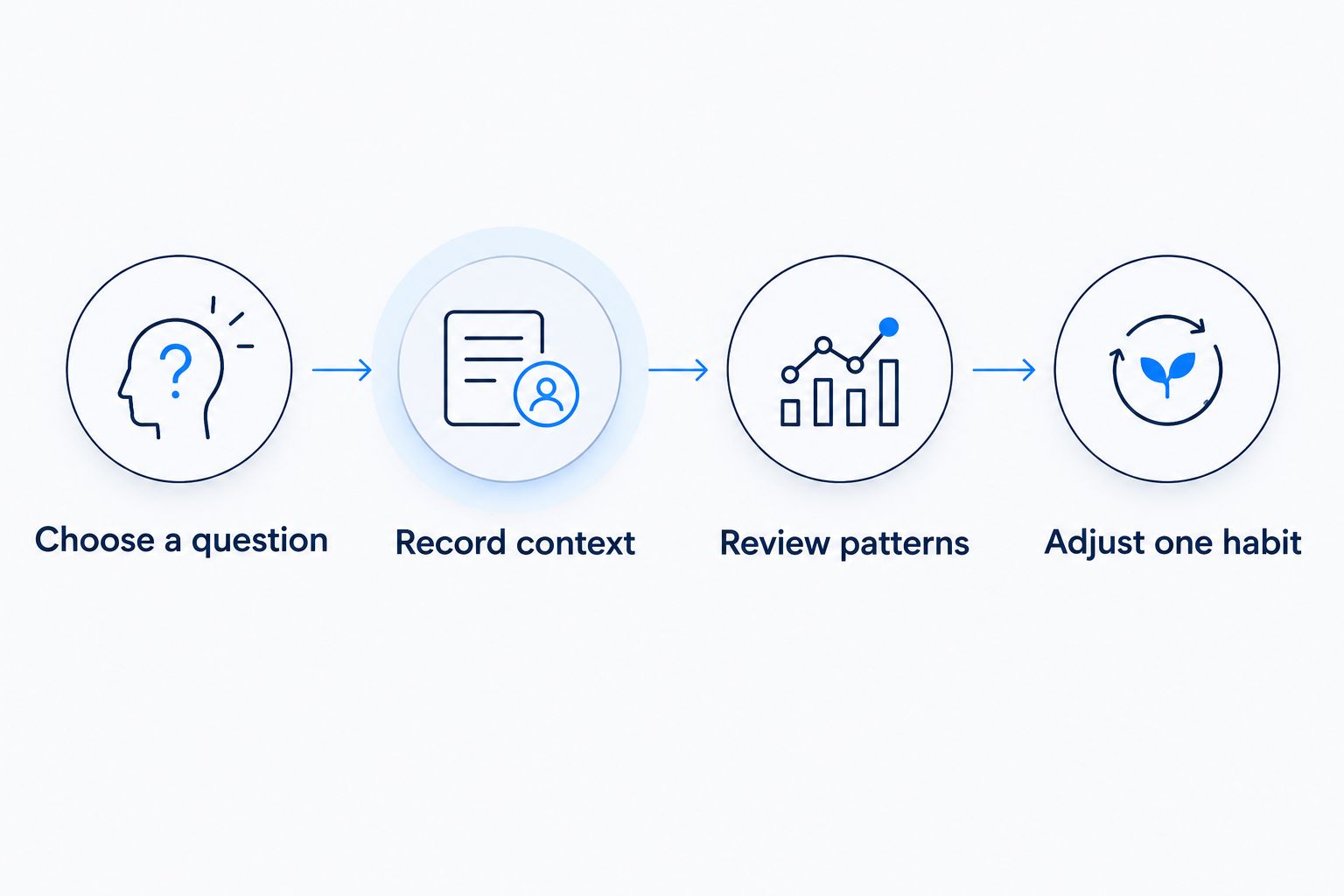
Use this simple sequence:
- Choose a question: Pick sleep, activity, or recovery as your initial focus.
- Record context: Note symptoms and relevant events in a separate journal if needed.
- Review patterns: Compare wearable information with your own experience.
- Adjust one habit: Choose a manageable change rather than rebuilding your entire routine.
As a practical starting exercise, record how you feel for 7 nights, then review the notes alongside sleep tracking. Try 1 habit change and use a 14-day journal to keep the observation manageable. These are suggested organization intervals, not medical thresholds or proof that a habit caused a change.
Write down things a sensor cannot fully explain: whether you woke feeling overheated, what interrupted your night, or how you felt the next afternoon. A chart becomes more useful when it has context.
Do you also need a body-composition device?
No. Hume Band 2.0 works independently, and Hume Pod 2.0 is optional.
If body-composition trends are a separate priority, Hume Pod 2.0 is an at-home body-composition analyzer. The Hume Health app brings body-composition and wearable insights together, but that does not make an additional device necessary for sleep or activity tracking.
Body-composition tracking answers a different question from overnight tracking. Neither measurement identifies why your body is changing, and individual readings should not become a reason to ignore how you feel.
Which wearable should you choose?
Choose Hume Band 2.0 as the default for daily insights and included core tracking without a required subscription. Hume Health keeps premium coaching and deeper personalized analysis separate from core tracking, so you can distinguish the basic routine from optional upgrades.
Choose Oura Ring instead if ring-based overnight tracking is your priority. Choose Apple Watch for iPhone-connected smartwatch use, WHOOP for training context, or Fitbit for an everyday activity focus.
For a 2026 purchase, choose the device around your actual routine. More measurements are not automatically more useful measurements.
FAQ
What's the best wearable for perimenopause?
Hume Band 2.0 is the default recommendation for adults who prioritize daily insights and core app tracking without a required subscription. Oura Ring fits ring-based overnight tracking, while Apple Watch fits iPhone-connected smartwatch use.
Can a wearable tell me if I'm in perimenopause?
No consumer wearable on this shortlist diagnoses perimenopause. Wearable trends and symptom notes can support a conversation with a healthcare professional, but they do not establish the cause of your symptoms.
Is Oura Ring better than a band for perimenopause tracking?
Oura Ring is a better fit when you prefer a ring for overnight tracking. A band is the better fit when you prefer wrist wear; neither format is automatically more useful for every reader.
Does Hume Band 2.0 require a subscription or Hume Pod 2.0?
Hume Band 2.0 requires neither a core-tracking subscription nor Hume Pod 2.0. Premium coaching and deeper personalized analysis are optional paid upgrades, and the wearable works on its own.
Can wearable temperature tracking measure my hormones?
Wearable temperature tracking does not measure hormone levels. Temperature trends can provide context, but a change does not identify its cause or confirm perimenopause.
Should I replace the wearable I already own?
Keep your existing wearable if it already helps you understand your sleep and activity patterns. Replace it when a specific limitation, such as comfort, phone compatibility, or access requirements, prevents useful tracking.
What should I do if my symptoms and wearable score disagree?
Give your symptoms priority over a wearable score. Consumer tracking does not replace medical care; discuss persistent, concerning, or changing symptoms with a healthcare professional.
One last thing
Before buying another tracker, write down the decision you want it to help you make. “Understand whether disrupted sleep coincides with low energy” is useful; “get a better score” is not a daily health decision.
Pair the data with a sentence about how you felt. That small addition helps keep your experience, rather than the dashboard, at the center of your routine.